Novel Combination Therapy Gains Initial Approval for Metastatic Breast Cancer Treatment
Antibody-Drug Conjugate and Monoclonal Antibody Combination Replaces Standard of Care Regimen
The U.S. Food and Drug Administration (FDA) recently granted approval for a new combination regimen for patients with unresectable or metastatic HER2-positive breast cancer.
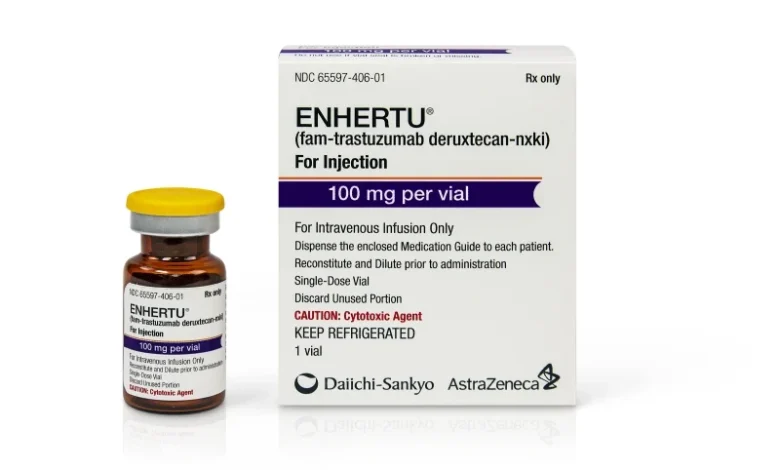
This authorization permits the use of a proprietary antibody-drug conjugate (ADC) therapy in combination with a targeted monoclonal antibody as a first-line treatment. The ADC therapy had previously secured approval in the third-line setting in 2019, which was later upgraded to the second-line setting in 2022. The monoclonal antibody component has been available since 2012, typically administered with another antibody and chemotherapy (the THP regimen), which has historically been the standard of care.
The approval is supported by interim data from the Phase 3 clinical trial (Destiny-Breast09). The findings indicated that the new combination therapy reduced the patients’ risk of disease progression or death by 44% compared to the THP regimen. The median progression-free survival (PFS) for the new combination was 40.7 months, significantly higher than the 26.9 months observed with the standard regimen. Medical experts suggest this new regimen is poised to become the new first-line standard of care for this patient population.
Regarding safety, the combination’s safety profile was consistent with the known profiles of its individual components. However, the ADC is associated with an increased risk of interstitial lung disease (ILD), which was noted in the trial. Adjudicated drug-related ILD or pneumonitis occurred in 12% of patients in the combination group, versus 1% in the THP group. While most cases were mild to moderate, two deaths (0.5%) were recorded in the combination arm. Clinicians are reportedly adept at managing this known side effect.
This ADC regimen is demonstrating substantial commercial promise, with combined sales reaching $3.75 billion in 2024, an increase from $2.57 billion in the previous year.